Platelet-Rich Fibrin
An autologous method that uses fibrin components obtained by centrifuging your own blood. It does not use anticoagulants and is known for releasing its components gradually.
A calm look, through the lens of regenerative medicine, at the joints and ligaments that support your movement.
Your joints and ligaments quietly support every step you take, the work of your hands, and your weekend workouts.
Because these areas are used for so long, fatigue builds up easily. If discomfort keeps returning, it is better to have your condition checked first rather than pushing through it. The Regenerative Clinic at Cheongdam The Cell Clinic devotes ample time to diagnosis and consultation to review your current condition and care plan with you.
The above describes commonly mentioned everyday situations in general terms; symptoms and causes may differ from person to person.
From knee to ankle — an index of the five areas we look at together in the Regenerative Clinic.
A joint that bears body weight and is central to walking, stairs and exercise, where everyday strain tends to accumulate steadily.
The joint with the widest range of motion, closely involved in lifting and rotating the arm.
An area where fatigue is known to build up around the tendons from repetitive gripping, lifting and swinging motions.
A highly used area in daily life, involved in delicate and frequent tasks such as typing, housework and racket sports.
A joint that keeps you balanced when walking, where care after a sprain is a common concern.
Suitability and approach for each area are explained individually through examination and consultation.
Regenerative medicine focuses on the body's own natural recovery processes. PRF·PRP are autologous methods that use components obtained from your own blood, and are known as approaches that look after the environment around the joints and tendons.
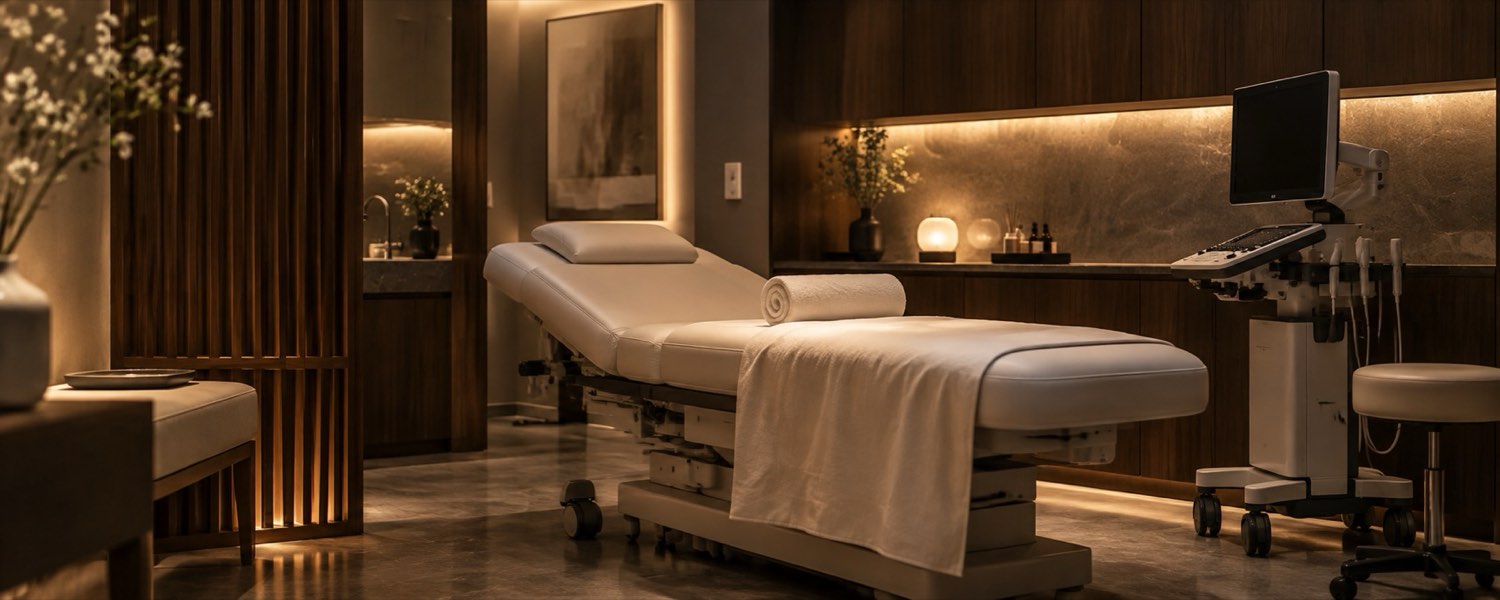
An autologous method that uses fibrin components obtained by centrifuging your own blood. It does not use anticoagulants and is known for releasing its components gradually.
An autologous method that separates and uses platelet-rich plasma from the blood, and an approach that has been widely discussed for conditioning around the joints and tendons.
Suitability and method depend on the area and condition, and reactions and recovery speed may vary by individual. We do not provide any information that guarantees specific results.
The following is a general timeline; recovery speed may vary by individual.
Avoid strenuous activity for the affected area and prioritize rest.
Once initial reactions subside, resume with light everyday movements.
Gradually increase your activity while paying attention to how your body responds.
What comes before treatment is a daily life without overexertion.
Give the uncomfortable area plenty of rest first. We do not recommend exercising through pain.
Rather than increasing activity all at once, adjusting it bit by bit while watching how your body responds is a general principle of rehabilitation.
Swelling, warmth or persistent pain may be signals from your body. If changes continue, we recommend having them checked by a doctor.
Because your own blood is used, the entire process takes place at the clinic on the day of your visit.
We check the area, your condition and any medications you are taking, and decide together whether to proceed.
Only the amount needed is drawn. It never leaves the clinic and is processed right away on-site.
The necessary components are separated from the blood and prepared. You can relax and wait during this time.
It is injected according to the area, with numbing cream used if needed. From blood draw to finish takes about 30–60 minutes.
Most people can return to daily life the same day, though this may vary by individual. The recommended interval is decided after consultation.
It is an autologous method in which PRF·PRP components obtained from your own blood are applied to look after the environment around the joints and tendons. The specific areas and method are determined individually through examination and consultation.
If you have recurring stiffness or ongoing discomfort in everyday movements in the knee, shoulder, elbow, wrist or ankle, we can look into it together during a consultation. However, suitability is determined through examination, and symptoms and causes may differ from person to person.
Numbing cream is used if needed, and the procedure takes about 30–60 minutes including blood draw and preparation. The sensation may vary by area and individual.
Most people can return to daily life the same day, but initial reactions such as swelling or stiffness and the speed of recovery may vary by individual. Rather than pushing through pain, we recommend adjusting your activity while paying attention to how your body responds.
It is common to combine it with everyday care, such as adequate rest and gradually adjusting your activity. We will guide you on a care plan suited to the area and your condition during consultation.
This treatment uses your own drawn blood. Please let us know about the following before the treatment.
For an accurate assessment, please feel free to share your current medications and health status during consultation.
Mon–Fri 10:10–19:00 · Sat 10:00–16:00 · Closed Sundays, public holidays, and substitute holidays